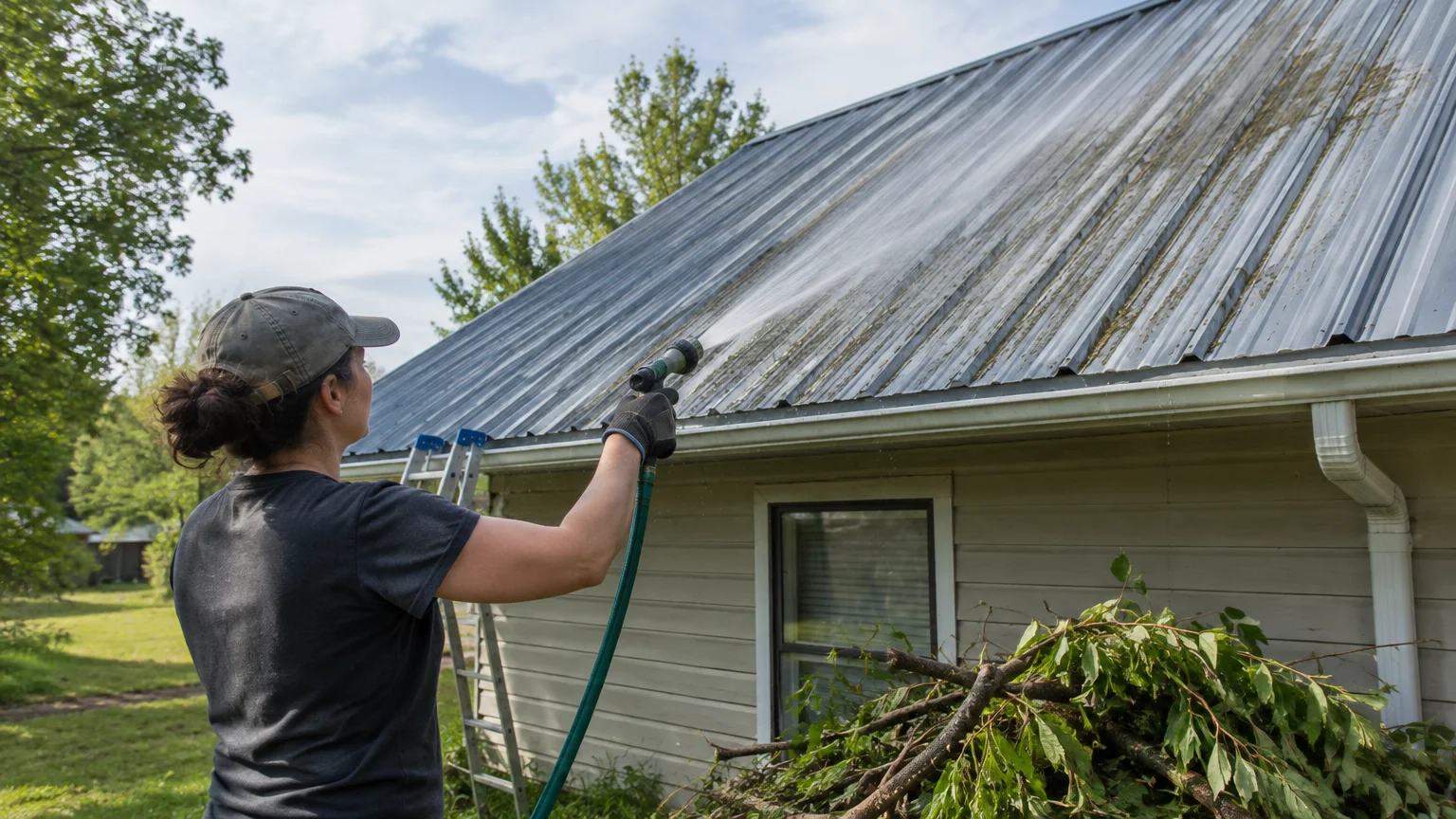
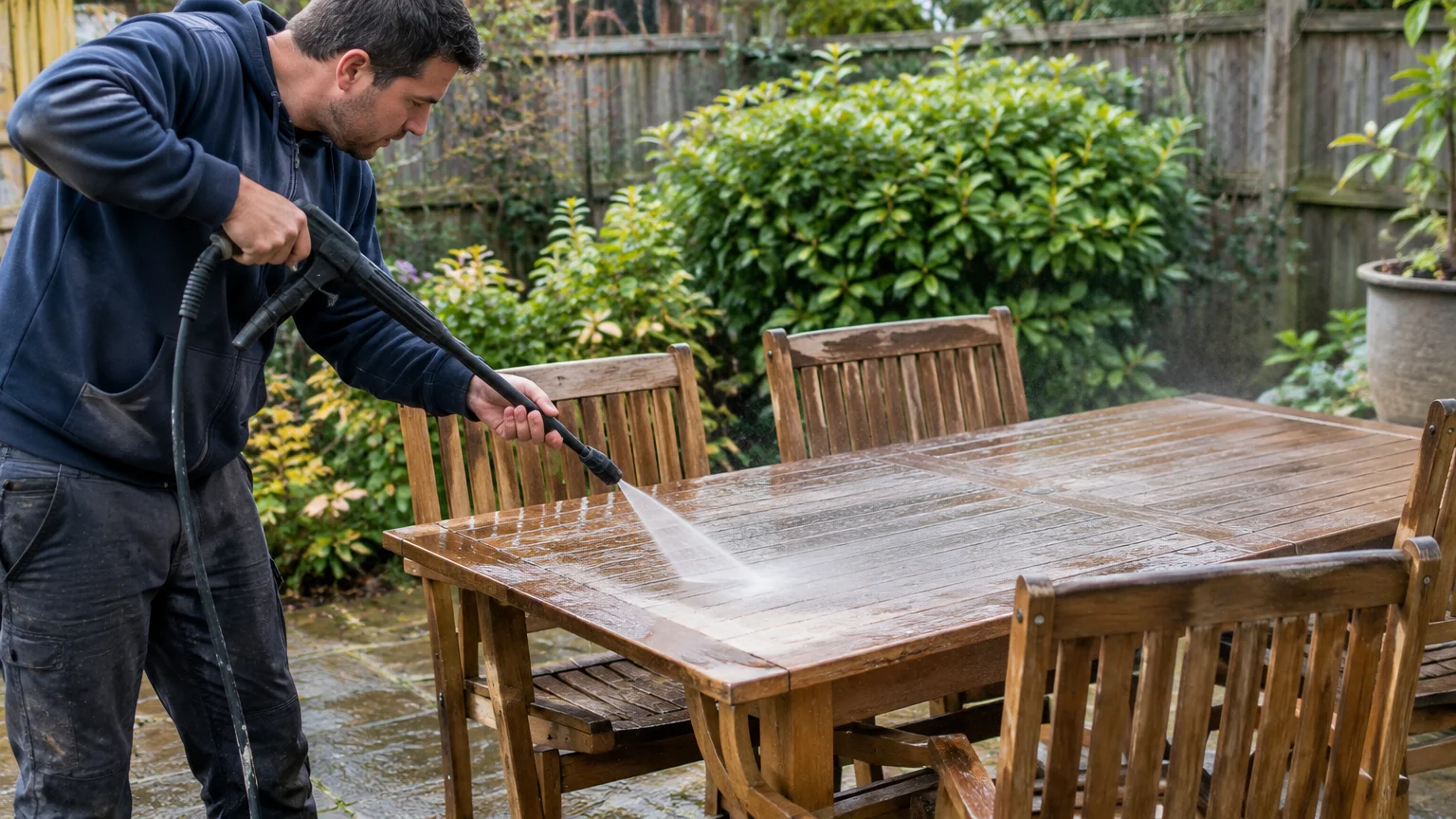
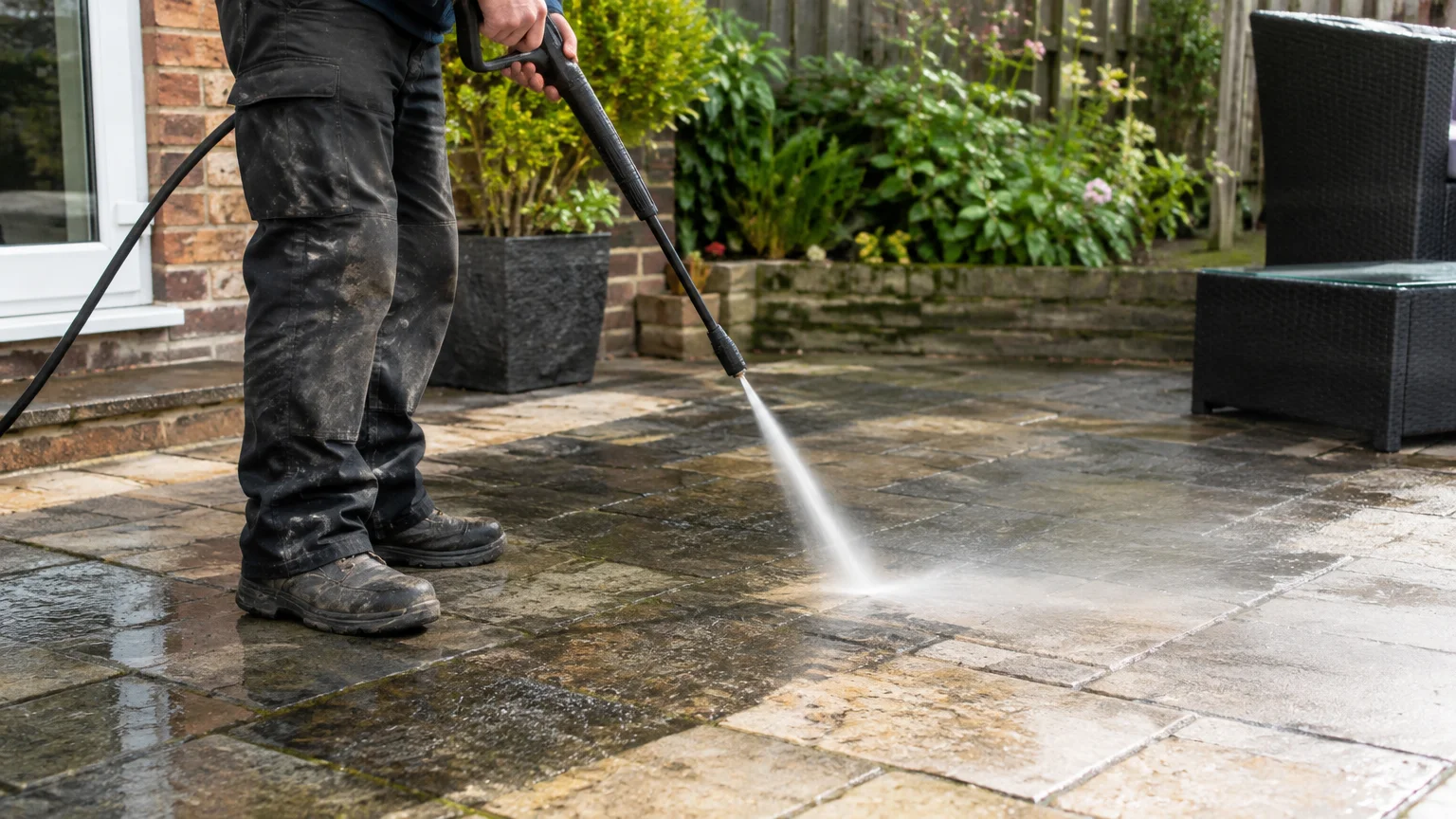
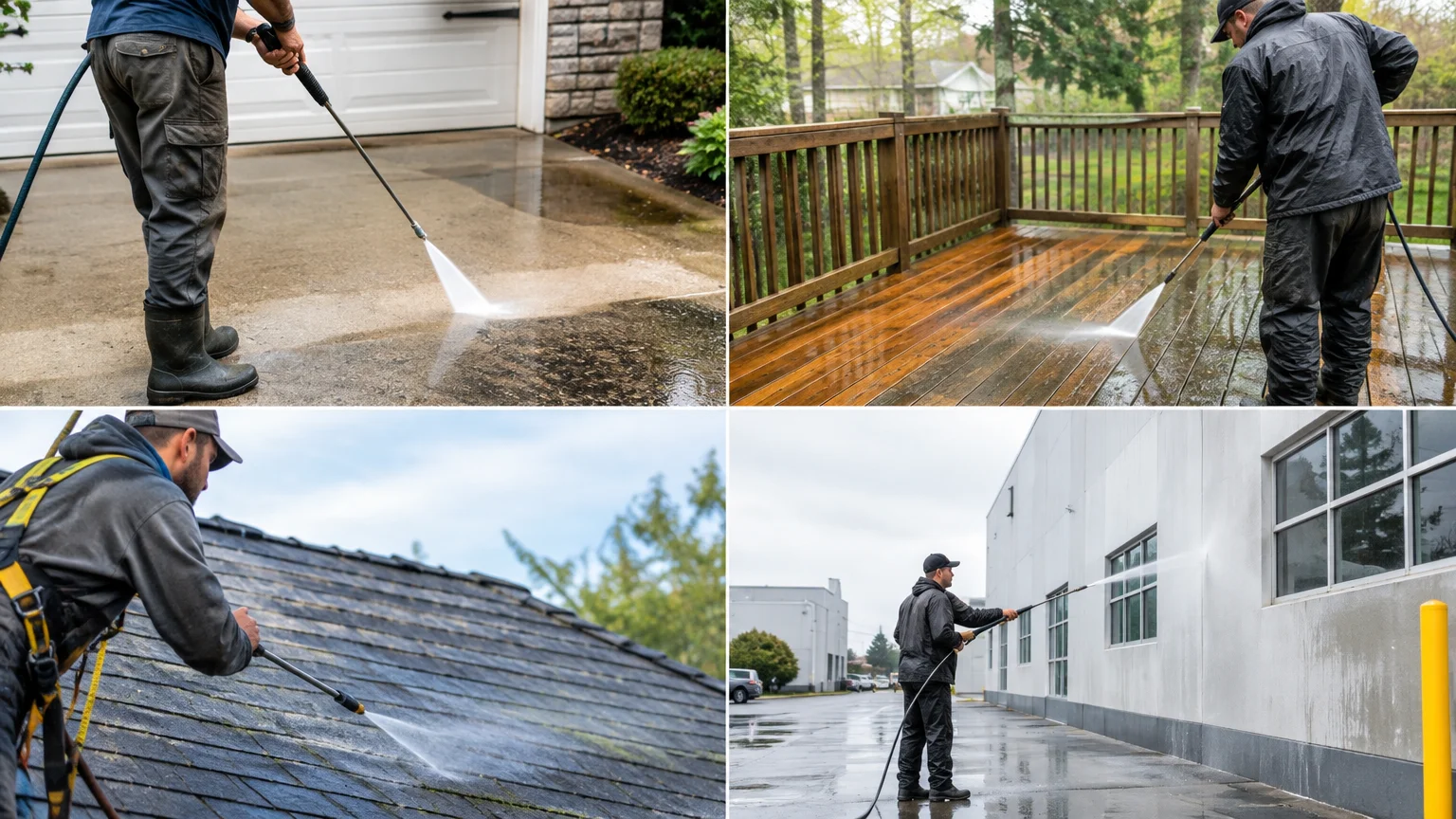
Gutter brightening removes dark tiger stripes from aluminum gutters without relying on harsh scrubbing. It uses a suitable cleaner, gentle brushing, and careful rinsing. Unlike gutter cleaning, which clears leaves and debris from the channel, this service treats the outside face. Pressure Washing Conway AR helps Conway property owners choose a safe method for stained, dull, or weathered gutters.
Table of Contents
- What Is Gutter Brightening?
- Why Do Aluminum Gutters Develop Tiger Stripes?
- Can You Remove Tiger Stripes Without Damaging Gutters?
- What Is the Gutter Brightening Process?
- Should Gutters Be Cleaned Before They Are Brightened?
- How Can You Keep Gutters Looking Clean Longer?
- When Should You Hire a Professional for Gutter Brightening?
What Is Gutter Brightening?
Gutter brightening cleans dark stains and lines from the outside of gutters. It focuses on the visible surface, not just the inside channel. The goal is to improve the look of the gutter while protecting its finish, siding, trim, and nearby plants.
How tiger stripes form on aluminum gutters
Tiger stripes are long, dark marks that run down the front of aluminum gutters. They often begin beneath the roof edge and follow the path of rainwater. Dust, roof grit, algae, oxidation, and outdoor dirt can collect along these wet paths.
The marks may look like simple dirt, but they can be hard to remove. Sunlight can dry the residue onto the surface. Over time, it may bond with the gutter finish. This is why a garden hose or basic gutter tool may not remove the lines.
Light gutters make the marks easier to see. White, cream, and pale gray gutters show each dark run. The gutter system may work well, yet the home can still look worn when these stains cover the front face.
How gutter brightening differs from ordinary gutter cleaning
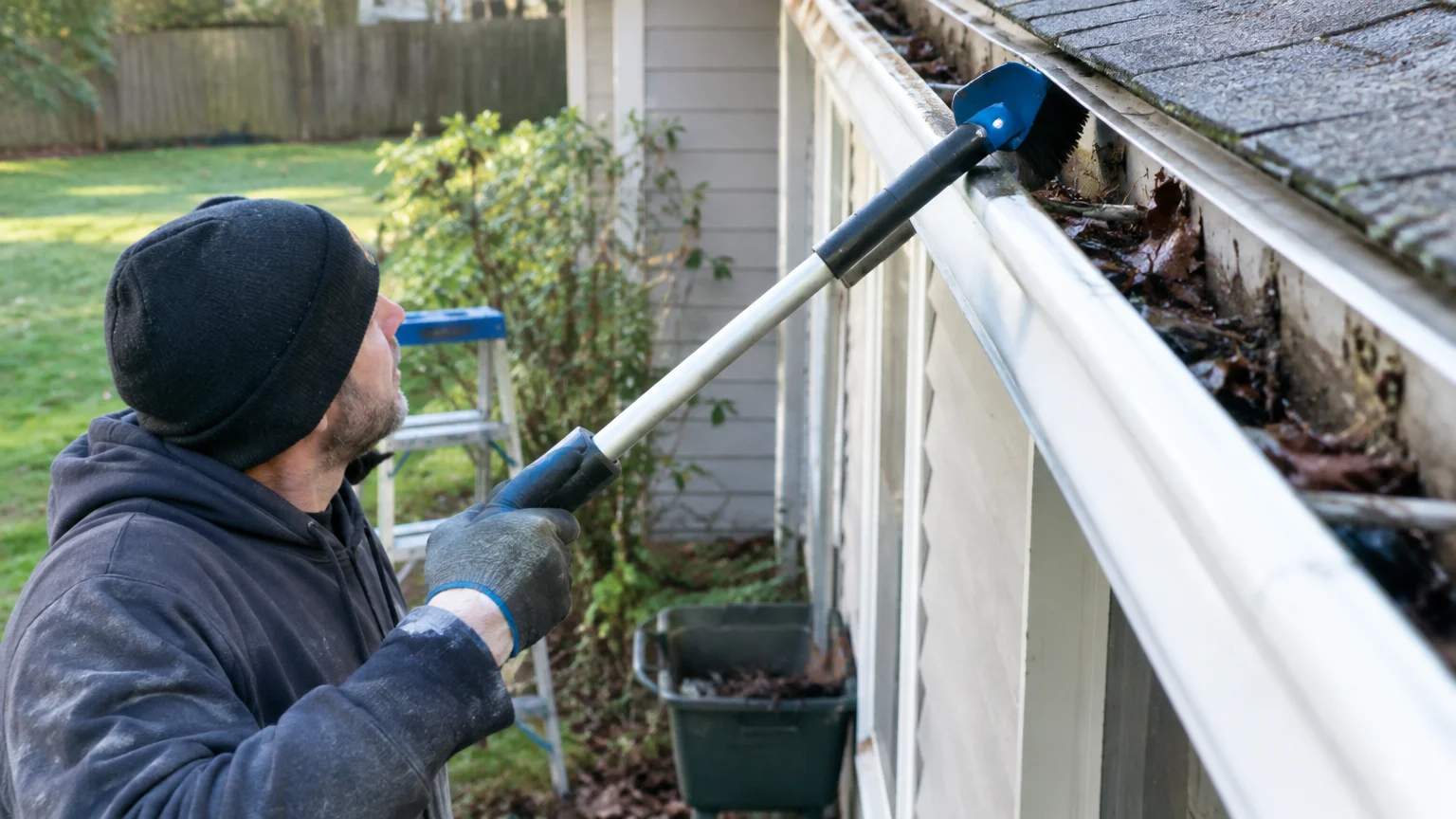
Regular gutter cleaning removes leaves, pine needles, roof grit, and other debris from the channel. It may also clear the downspouts. This helps rainwater move away from the roof, walls, and foundation.
Gutter brightening treats the outside surface. Both services may be needed during one visit, but they solve different problems. Brightening helps the gutter look cleaner, while inside cleaning supports proper water flow.
A full visit may also include a check for loose hangers, open seams, blocked outlets, and poor drainage. Pressure Washing Conway AR can explain which service fits the condition of a home or business.
Why Do Aluminum Gutters Develop Tiger Stripes?
Aluminum gutters develop tiger stripes when roof runoff carries residue over the front edge. Oxidation and airborne dirt can add to the problem. The cause may vary with the roof, trees, weather, gutter finish, and nearby roads or buildings.
The role of roof runoff, oxidation, and atmospheric residue
Rainwater can carry more than leaves into a gutter. It may pick up roof grit, pollen, dust, shingle residue, and decayed plant matter. When that water runs over the front lip, some of the material stays behind.
Oxidation is a surface change that happens when aluminum meets air and moisture. It can make the finish look dull or chalky. It may also help dirt cling to the surface. The cleaning method must match the finish, or the color may become uneven.
Airborne residue can come from traffic, smoke, nearby building work, fireplaces, and outdoor dust. Trees add pollen and sticky plant matter. Homes in Conway with heavy tree cover may need more frequent gutter checks and roof reviews.
Why streaks are more noticeable on light-colored gutters
Dark stains stand out on white or pale gutters. Even a small amount of residue can look large from the street. The issue is mainly visual, but it can make the whole exterior seem uncared for.
House washing may remove loose dirt from nearby siding. It may not remove bonded gutter lines. Gutter brightening needs a focused method because aluminum can react differently than vinyl siding, brick, or painted trim.
Homeowners should also look above the gutter. Damaged shingles, roof algae, poor drip-edge placement, or overflowing channels can keep adding residue. Cleaning the mark without checking its source may only give a short-term result.
Can You Remove Tiger Stripes Without Damaging Gutters?
Tiger stripes can often be removed without harm, but the method must fit the gutter finish. A professional checks the metal, paint, oxidation, seams, and nearby surfaces first. Testing a small area is safer than spreading a strong cleaner across the whole gutter.
How professionals assess gutter materials and surface condition
Most home gutters are made from aluminum, but their finishes can differ. Some are factory painted. Others may have old coatings, chalking, scratches, or bare spots. One cleaning method may not suit every surface.
An assessment may include a close look at the stain and a small test patch. The technician may also check for loose paint. Roof edges, fascia, downspouts, and gutter guards should be reviewed as well.
A test patch matters because the result can change as the surface dries. It also helps show whether the stain sits on the coating or within a worn finish. Some marks may improve greatly without disappearing completely.
Why harsh chemicals and abrasive scrubbing can cause problems
Strong chemicals can fade paint, harm plants, spot windows, or damage siding. Rough pads can scratch aluminum and leave bright patches. Heavy pressure can bend the gutter, loosen a seam, or push water behind trim.
A homeowner does not always need a professional for light dirt. Ground-level work with mild soap, a soft brush, and careful rinsing may be enough. Work near roof edges, ladders, steep slopes, and power fixtures needs more care.
The strongest cleaner is not always the safest choice. A controlled method, proper protection, and full rinsing often matter more than force. Soft washing methods may help when the gutter finish or nearby surface needs gentle care.
What Is the Gutter Brightening Process?
Gutter brightening usually starts with an inspection and a small test area. The work then moves through property protection, cleaner use, gentle agitation, and rinsing. The exact steps depend on the gutter finish, stain type, roof design, and nearby materials.
Preparing the property and protecting nearby surfaces
Loose items should be moved away before cleaning begins. Plants, windows, doors, painted walls, vehicles, and outdoor furniture may need protection. Downspout outlets should also be checked so runoff does not gather in one spot.
The technician should find delicate surfaces before applying a solution. Siding, stone, wood, and painted trim can react to runoff. Careful preparation keeps the work focused on the gutter face.
Weather also matters. Wind can spread spray, while hot sun can dry a cleaner too quickly. A controlled work area makes it easier to watch the surface and rinse at the right time.
Applying, agitating, and rinsing the cleaning solution
A suitable cleaner is applied to a small section first. It loosens the residue instead of depending on heavy water pressure. A soft brush or safe tool may help break up the stain without scratching the finish.
The surface is then rinsed well. Rinsing removes loosened dirt and leftover cleaner. Nearby areas may need another rinse to prevent new marks or residue.
Gutter guards can make the work more involved. Some lift out easily, while others sit beneath shingles or the roof edge. A guard should not be bent or removed unless its installation is understood.
A broader exterior cleaning plan may include House Washing Services after gutter work. Cleaning in the right order helps keep fresh dirt from landing on a finished surface.
Should Gutters Be Cleaned Before They Are Brightened?
Yes. Leaves and debris should be cleared before the outside of the gutter is brightened. An open channel lets the technician check water flow, downspouts, seams, and hidden issues before treating the appearance.
Why removing leaves and debris comes first
Debris can block outlets and make water spill over the front edge. That overflow may create new streaks soon after cleaning. It can also wet fascia boards, siding, soil, and areas near the foundation.
Cleaning the inside first shows whether the gutter works as it should. The technician may find packed roof grit, plant growth, loose guards, or a blocked downspout. These issues should be handled before the final outside rinse.
Homeowners may do simple ground-level checks with gloves and a stable tool. They should not reach from an unsteady ladder or walk on a roof. A gutter tool may help with some jobs, but it does not remove every safety risk.
How exterior house washing fits into the sequence
The best order depends on the home and the amount of buildup. In many cases, gutters are cleared first. The surrounding exterior is then washed, followed by a final gutter rinse or brightening step. This order helps keep dirt from moving onto clean surfaces.
House washing can remove loose dust, mildew, and grime from siding and trim. It may not remove tiger stripes from aluminum gutters. A focused gutter treatment may still be needed after the wider wash.
Roof Cleaning Services may help when roof residue keeps flowing into the gutter. Roofing materials need different care, so the roof should be checked on its own. Finding the source of the stain is as important as treating the stain.
How Can You Keep Gutters Looking Clean Longer?
The best way to keep gutters clean is to control the causes of staining. Routine gutter cleaning, roof checks, repairs, and guard care can reduce overflow and residue. These steps cannot stop every mark, but they can help the exterior stay neat.
The value of routine gutter cleaning and roof inspections
A clear gutter is less likely to overflow across the front face. Checks are useful after heavy leaf fall, strong storms, and long wet periods. Homeowners should watch for sagging sections, standing water, peeling paint, and soil washing away below downspouts.
Roof checks can find loose materials, damaged flashing, and areas that shed extra grit. A roof with heavy organic growth may keep sending residue into the drainage system. Fixing the source can help gutter brightening last longer.
Property owners should also check that downspouts send water away from the foundation. Extensions and splash control may help reduce wet soil and staining near the base of the home. These small tasks support the whole drainage system.
When gutter guards help and when they do not prevent staining
Gutter guards can reduce leaves and larger debris entering the channel. They do not make a system maintenance-free. Fine roof grit, pollen, seeds, and residue can still gather on or beneath the guard.
Guards also do not stop rainwater from running over the outside of the gutter. If roof runoff carries dirt, the front face may still develop tiger stripes. Guard cleaning may be needed along with gutter cleaning and downspout checks.
The right guard depends on the roof, trees, gutter shape, and local weather. A poor fit can restrict flow or make access harder. Pressure Washing Conway AR can help property owners review gutters, guards, and nearby exterior surfaces.
When Should You Hire a Professional for Gutter Brightening?
Professional help is useful when stains remain after gentle cleaning, access is hard, or the finish looks fragile. It is also wise for steep roofs, tall walls, delicate guards, or chemical runoff near plants and windows.
Signs that DIY cleaning may be unsafe or ineffective
A homeowner should stop and seek help when any of these conditions apply:
- The gutter is too high to reach safely from the ground.
- The roof edge is steep, wet, or hard to access.
- The gutter coating is peeling, chalky, scratched, or badly faded.
- The downspout is blocked beyond a safe reach.
- Runoff could reach plants, glass, siding, or painted trim.
- Tiger stripes remain after mild soap and gentle brushing.
Basic upkeep is reasonable when the work stays at ground level and uses mild materials. A homeowner should not mix cleaners or use unknown chemicals. A professional can test a small area and explain whether the marks are removable, permanent, or linked to a failing finish.
What to expect when comparing gutter brightening with replacement
Brightening may improve sound gutters. Replacement may be better when sections are crushed, badly rusted, separated, or unable to carry water. A stain alone does not mean the whole gutter system needs replacement.
The choice should consider the material, finish, age, drainage, and repair history. A professional can explain whether the issue is cosmetic or structural. Exterior work may also be planned with Building Washing Services or other maintenance.
Frequently Asked Questions
Can gutter brightening remove every tiger stripe?
No. Many stains improve greatly, but some remain when the finish is worn or the residue has changed the coating. A test area gives the clearest guide. If streaks return soon, the roof edge, overflow, or nearby residue may need attention.
Is gutter brightening the same as pressure washing?
No. Pressure washing uses pressurized water on suitable surfaces. Gutter brightening often needs a gentler cleaner and controlled rinsing because aluminum can scratch, fade, or bend. A professional may use low pressure, soft tools, or hand cleaning.
Can a homeowner clean tiger stripes safely?
A homeowner may try mild soap, a soft brush, and ground-level work on a small area. The person should avoid ladders, roof access, harsh chemicals, and rough pads. If the stain remains or the gutter is high, professional help is safer.
Do gutter guards stop dark streaks?
No. Gutter guards can reduce leaves and larger debris, but they do not stop roof runoff from touching the gutter face. Fine dust, pollen, and roof residue may still create stains. Guards need checks and cleaning so water can keep flowing.
How often should gutters be checked?
Gutters should be checked after major storms and during heavy leaf fall. The right schedule depends on tree cover, roof condition, guard design, and local weather. Regular checks can find overflow, loose sections, and blocked downspouts early.
Key takeaways
- Gutter brightening treats outside stains, while gutter cleaning clears the inside channel.
- Tiger stripes often come from roof runoff, oxidation, dust, and organic residue.
- Gentle testing helps protect aluminum finishes and nearby surfaces.
- Gutters should be cleared before the exterior is brightened.
- Gutter guards reduce some debris but do not prevent all staining.
Conclusion
Tiger stripes can make clean gutters look old. Gutter brightening treats these dark outside marks, while regular gutter cleaning supports good water flow. Safe methods matter because aluminum finishes can scratch, fade, or react to strong products.
For homes and businesses in Conway, a review may include gutter channels, guards, downspouts, roof runoff, siding, and nearby surfaces. Pressure Washing Conway AR serves property owners across Conway and nearby communities, including Greenbrier, Vilonia, Mayflower, and Menifee. Contact us to discuss gutter brightening for your property.