When a patio or driveway suddenly turns green, the change can feel abrupt—one week it's fine, the next it’s slick and dark. A professional will walk the space, point out the trouble spots, and explain which details may shift the quote. Within a few minutes, how pressure washing costs come together starts to click.
Here’s the quick definition to keep in mind: pressure washing cost factors are the nine elements that shape an estimate—surface type, size, soil level, access, method, equipment, prep, cleanup, and local demand. Each factor changes labor time and risk, and matching the method to the material keeps cleaning safe and consistent. Those are the building blocks of a clear estimate in Conway.
Key Takeaways
- Estimates reflect nine main variables: surface, size, soil, access, method, equipment, prep, cleanup, and local demand.
- The right method (pressure washing vs. soft washing) protects materials and cuts rework.
- Layout, height, and site access meaningfully change setup time and safety steps.
- Equipment choices (PSI, GPM, nozzles, water temperature) influence speed and results.
- Prep and post-wash steps protect plants, finishes, and waterways, which also affects scope.
Table of Contents
- Quick answer: How pros build pressure washing estimates
- Surface material and current condition
- Project size, layout, and measuring the job
- Access, height, and site safety requirements
- Equipment, methods, and water temperature
- Prep, protection, and cleanup scope
- Local market factors, timing, and ways to save
- Frequently Asked Questions
- Key takeaways
- Conclusion
Quick answer: How pros build pressure washing estimates
Pros begin with a full walk-through. They assess what the surface is, how large it is, where it sits, and what stains are present. From there, they select a safe cleaning method and map the steps. A defined scope sets the labor, gear, and timeline, guided by the pressure washing cost factors that apply on your property in Conway.
Pricing models explained (per square foot, flat rate, hourly)
Most teams use several approaches. They may price by the square foot for broad, open areas like driveways—this ties time directly to size. They might use flat rates for well-defined packages, such as house washing or patio cleaning, when the steps are predictable. Hourly billing often fits jobs with open-ended unknowns, including stain-removal tests or detailed railing work. The model isn’t a secret chart—it’s a practical response to risk and time. Clear notes from the site visit inform which model fits your space.
Pressure washing vs. soft washing: when each method is used
Pressure washing relies on water force to lift grime. Soft washing uses low pressure and detergents to clean delicate surfaces such as siding or roofs. “PSI” (pounds per square inch) is the water’s pressure; soft washing keeps PSI low and lets cleaners do most of the work. Stucco, vinyl, painted wood, and asphalt shingles often require soft-wash care. Concrete and pavers can take more force when matched with the correct tip and standoff distance. A pro in Conway will pair the method to the material for an even, safe clean. Pressure Washing Conway AR plans the method during the estimate so the approach fits the surface and the stains.
Surface material and current condition
Every surface has a “care level.” Some tolerate more force; others need a low-pressure approach with detergents. The goal is to lift soils without etching, feathering, or forcing water behind the surface. A small test spot can help confirm the plan.
Concrete, pavers, vinyl, wood, stucco, metal: risk and care levels
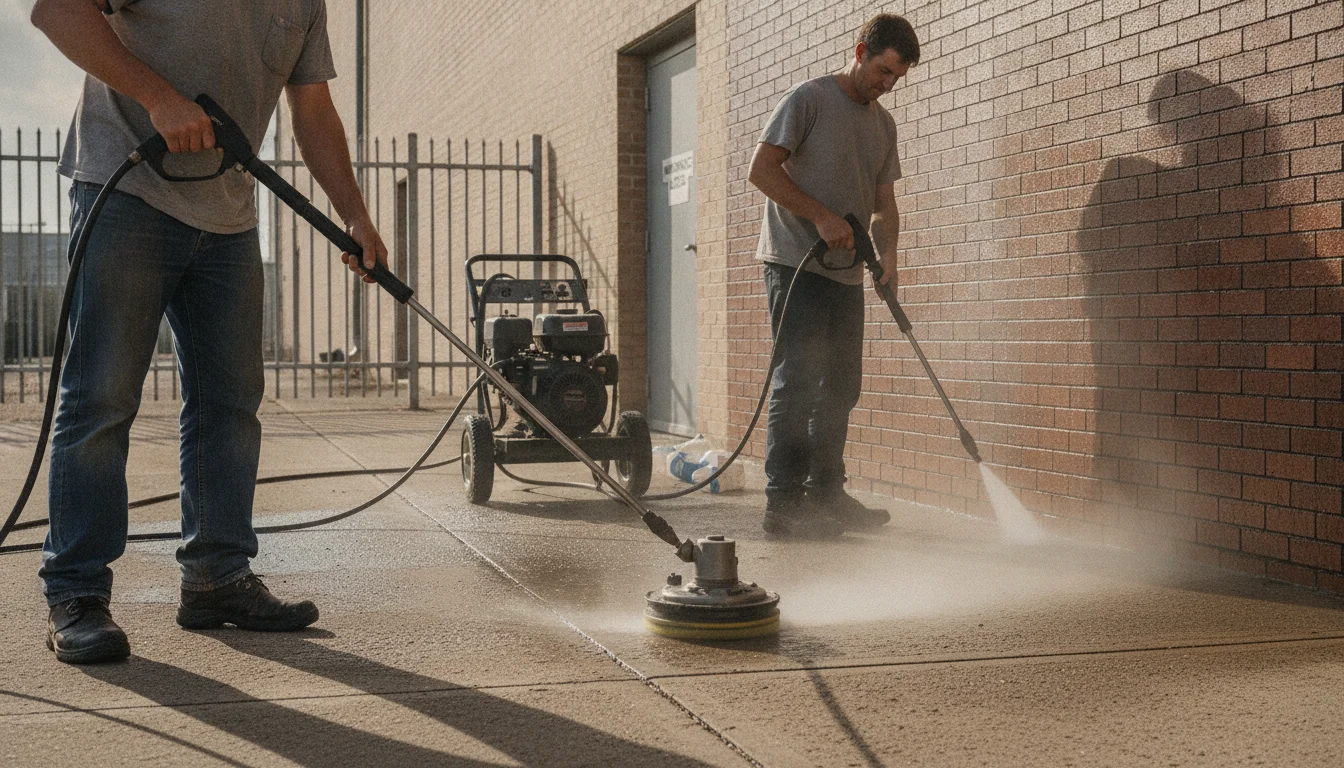
Concrete is durable, but still needs the right nozzle and distance. A surface cleaner keeps passes even and reduces marking. Pavers call for attention to joints and sand; sealed pavers may bead water and benefit from detergent dwell time. Vinyl siding is thin and can distort with heat—low pressure and a wide fan tip protect it. Wood can “fuzz” under high force; use lower PSI and smooth, consistent passes. Stucco is porous and can trap water; soft washing is typically safer. Metal siding can dent, so wide angles and continuous motion help. On roofs, many shingles only permit low pressure with approved cleaners per the manufacturer’s instructions.
Stain type and severity (mold, algae, oil, rust, tannins, paint)
Not all stains behave the same way. Green algae releases with a mild mix and gentle rinse. Black mold may require a stronger solution and more dwell time. Oil responds to a degreaser and often hot water. Rust calls for a rust remover appropriate for the substrate. Tannins from leaves can leave brown discoloration that may need a brightener. Old paint specks often need careful scraping and a rinse, not force. Heavier or mixed stains add steps and time; a pro will list these in the quote so the method and scope are transparent.
Project size, layout, and measuring the job
Size dictates base time, but layout can change everything. Professionals confirm area measurements so the estimate fits the real work. Open runs clean faster than tight decks packed with angles. Corners and railings slow each pass. A solid estimate calls these out.
Square footage vs. linear feet and how pros verify measurements
Expansive, flat areas are typically measured in square feet. Railings, fence lines, and trim are better captured in linear feet because they require detail work. Many pros verify sizes with a measuring wheel, laser, or mapping app on-site. Gutters, steps, and ledges are counted so nothing is missed. Photos help flag tricky zones. For house washing, wall height and length inform the plan along with window and door counts.
Complexity factors: corners, railings, multi-levels, tight areas
Complex layouts add setup and pass time. Railings and balusters call for slow, even strokes. Multi-level decks require ladder moves and hose handling. Tight side yards can limit wand angles and add rinse time. Garden beds and décor slow movement and need extra protection. On commercial sites, bollards, signs, and outdoor seating add obstacles. A clear map of these areas helps Pressure Washing Conway AR plan crew size and tools, which affects how long the job will take.
Access, height, and site safety requirements
Access influences the day’s flow. If the crew can park nearby, hose runs are shorter and setup is smoother. Tight access increases setup time. Height adds risk, and safety protocols protect people and property—these steps are part of the scope.
Ladders, lifts, roof pitch, and fall protection
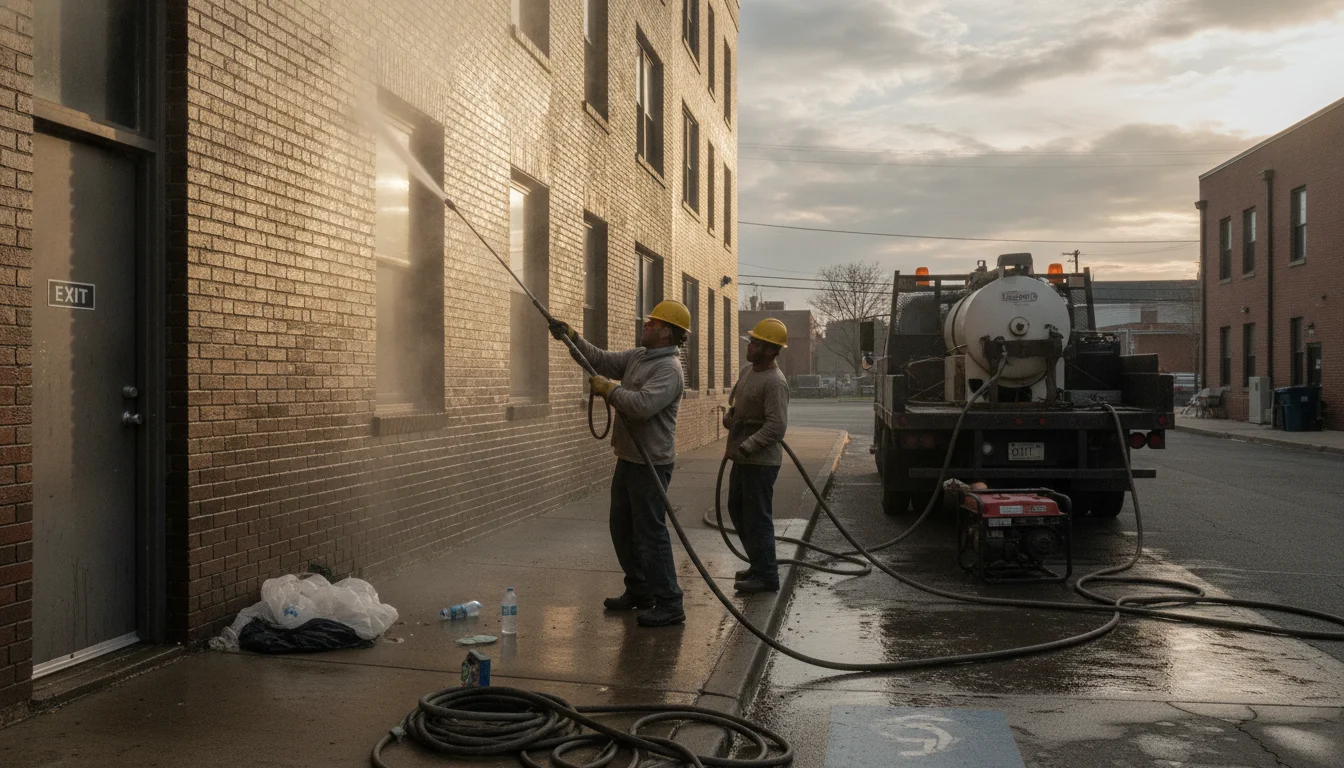
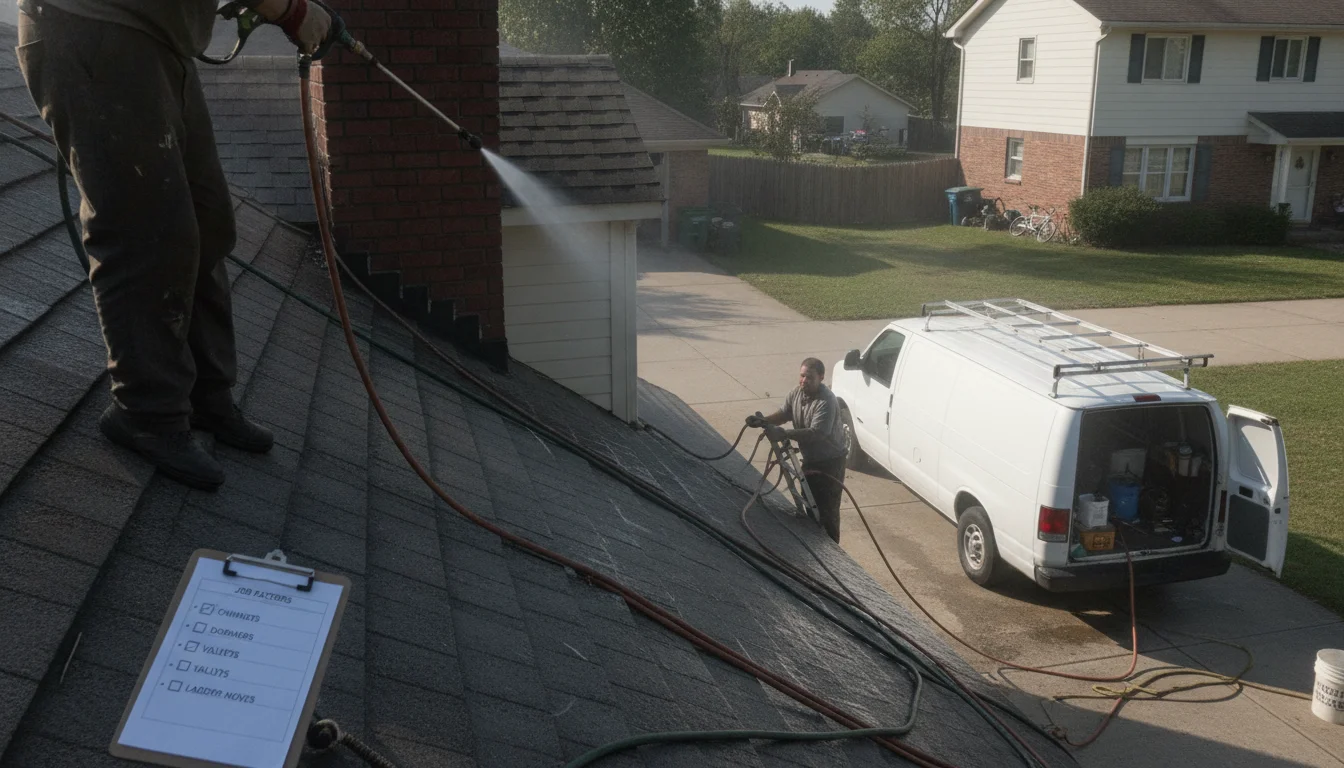
Two-story work may require ladder setups. Steeper roof pitches can call for harnesses or a lift. “Fall protection” refers to gear and procedures that prevent falls from heights. OSHA sets rules on ladder use and fall protection; teams follow them to reduce risk and protect workers (OSHA fall protection overview). These needs add setup time and may drive method choices, like using a soft-wash system from the ground to reduce ladder moves. Chimneys, dormers, and valleys add steps on roof work. Sites with space for a compact lift can speed and stabilize cleaning on tall walls.
Parking, obstacles, and on-site water/electric access
Hose length can reach far, but long runs add setup tasks and trip risks. Clear parking close to the work zone helps. Some jobs may need power for a soft-wash pump or lighting for early starts. Water access matters, too. Many homes have outdoor spigots; some sites lack them or have low flow, in which case the crew may bring water or adjust equipment. A quick test of flow and pressure at the spigot helps shape the plan. Obstacles like locked gates, pets, or pool areas also influence movement and timing.
Equipment, methods, and water temperature
The tools determine pace and safety. A system dialed with the right PSI, GPM, and nozzle cleans faster and with less risk. “GPM” (gallons per minute) measures water flow; higher flow helps move soil and rinse effectively. Matching tools to the task reduces rework.
PSI, GPM, nozzles, and surface cleaners that change labor time
Higher PSI can cut through grime but may harm softer surfaces. Wider fan nozzles disperse force. Turbo nozzles spin a tight stream and can help on stubborn concrete stains with care. Surface cleaners keep passes level on flatwork, reducing stripes and saving time. Extension wands reach eaves from the ground, limiting ladder use. Detergent injectors or dedicated soft-wash systems apply mix evenly. Each choice speeds or slows a pass—estimates reflect the time saved or added by the specific gear.
Cold vs. hot water, detergents, and dwell time
Hot water helps with oil and grease on drive-throughs and garage slabs. Cold water is suitable for many exterior home surfaces. Detergent selection matters. A house-wash mix is designed to release organic growth such as algae. Degreasers break down oil. Brighteners can help with rust or tannin stains when used per label directions. “Dwell time” is how long the cleaner sits on the surface before rinsing. Longer dwell can allow lower pressure and a safer clean. Pros follow product labels and manufacturer guidance to keep work safe and in line with best practices.
Prep, protection, and cleanup scope
Great results begin before the first spray. Prep protects plants, fixtures, doors, and trim. Cleanup leaves the site tidy. These steps belong in the scope and can change the duration of the visit.
Masking, plant and surface protection, pre-treatment needs
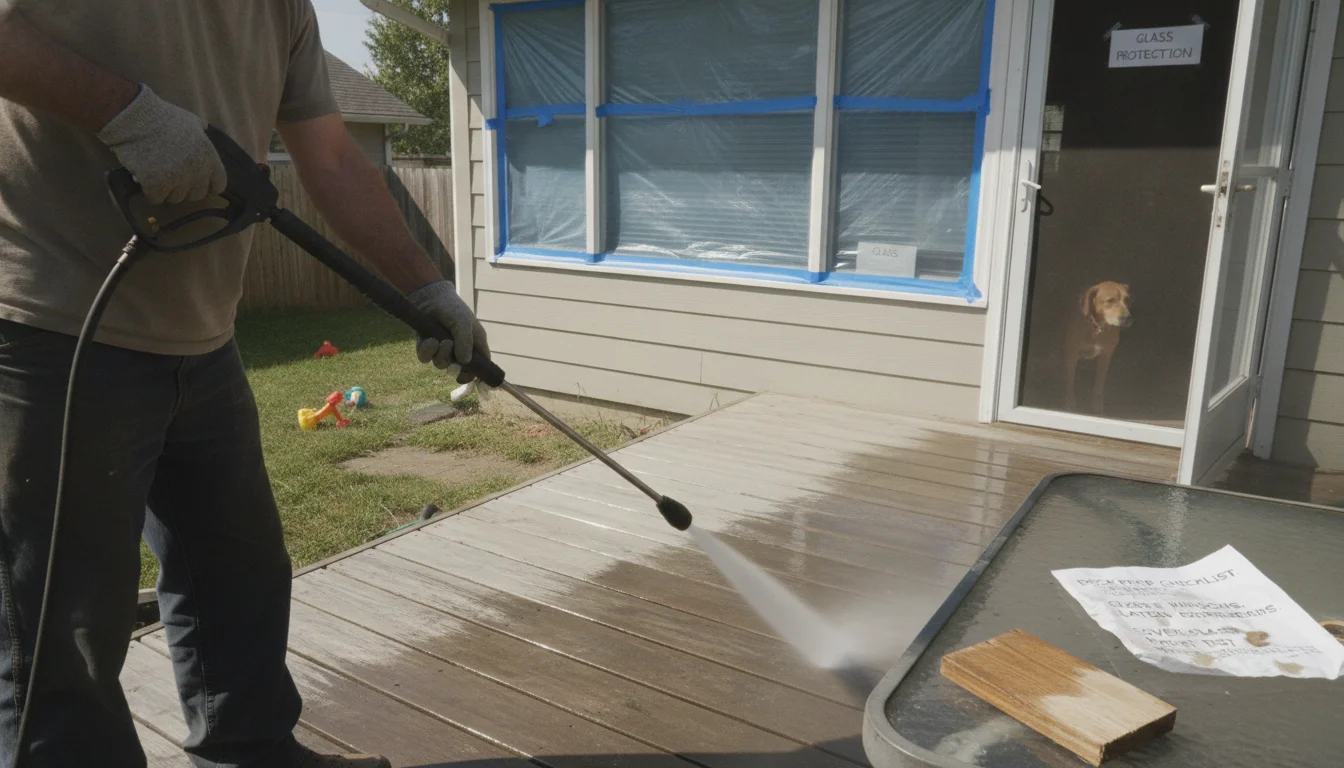
Plants may need pre-wetting and covering during detergent application. Electrical boxes and outlets should be protected. Doors and windows get checked and sealed as needed. Delicate items are moved or shielded. Oil stains may need pre-treatment. Rust spots may call for a targeted chemical. Time for these measures should appear in the quote. If a site in the Conway area has many planters or intricate landscaping, that adds care time. Pressure Washing Conway AR also checks wind and weather to time mix application so drift stays minimal.
Post-wash rinse, debris removal, and wastewater recovery
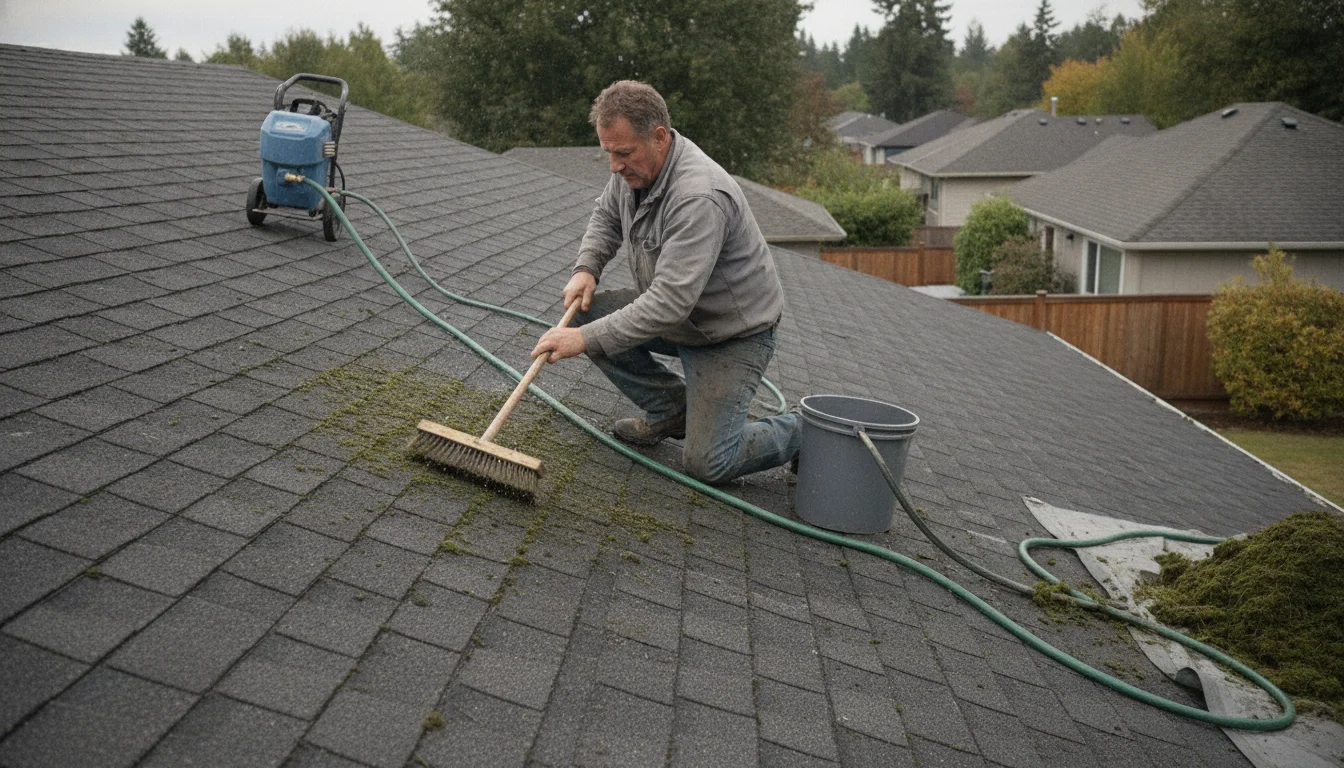
After cleaning, thorough rinsing protects plants and finishes. Edges receive a final pass so lines blend. Debris such as moss or heavy leaf buildup may require bagging. In some jurisdictions, wastewater cannot enter storm drains. The EPA cautions against allowing wash water with chemicals to enter storm systems; appropriate containment and disposal may be required (EPA stormwater guidance). Where recovery is needed, berms, vacuum systems, or filter socks can help. If recovery is part of the plan, it adds steps. A tidy site and responsible water handling close the job correctly.
Local market factors, timing, and ways to save
Location affects labor rates, equipment costs, and demand. Timing and scope choices can also help manage spend. Routine maintenance keeps surfaces easier to clean and can reduce heavier restoration later. These local dynamics are part of the pressure washing cost factors, too.
Regional labor/material costs and seasonal demand
Labor and supply costs vary across the U.S. In many towns, spring demand stretches schedules. After pollen season, numerous homes in Conway need siding care. Busy weeks can mean longer lead times. Off-peak slots may be easier to schedule. Travel time across the main Conway area—from Downtown Conway and Hendrix Village to Greenbrier, Vilonia, Mayflower, Menifee, and nearby communities—also shapes crew planning. Clear scopes help match team size to job size, keeping timelines realistic.
Bundling services, maintenance plans, and DIY vs. pro tradeoffs
Bundling compatible tasks in one visit can reduce repeated setups. For example, pair House Washing with Driveway Cleaning, or schedule Building Washing along with a sidewalk pass to align tools and steps. A maintenance plan can keep algae from returning quickly. DIY may appear cheaper, but carries risks to siding, plants, and personal safety. Rental units often lack the water flow (GPM) needed for efficient rinsing. The wrong tip can scar wood or chip paint. Pros also know when soft washing is kinder than force. For business properties, Commercial Pressure Washing in Conway helps plan after-hours work to reduce downtime. If you want a broader overview of methods and safety, see the Professional Pressure Washing Guide for Homes & Businesses for practical insights.
Frequently Asked Questions
How often should a house be washed?
Most homes benefit from a wash every 1–2 years. Shady or damp exposures may need attention sooner. Pollen, dust, and nearby trees also play a role. Light, regular cleaning prevents stains from setting and helps siding last longer. A pro can help you set a simple schedule.
Does soft washing damage stucco?
Soft washing uses low pressure and a cleaner to release soils, which is gentler for stucco than high pressure. The keys are the correct mix, a light rinse, and attention to any cracks. A small test area helps confirm settings. Done properly, soft washing cleans stucco without damage.
How do you clean cedar siding?
Cedar is a soft wood. Use low pressure, a wood-safe cleaner, and a gentle rinse. Work with the grain. Avoid harsh tips or close passes that cause fuzzing. Rinse nearby plants well. If the wood has grayed, a wood brightener can help. Allow cedar to dry thoroughly before any sealing.
Who cleans solar panels near me?
Some pressure washing companies offer solar panel cleaning, but panels need low pressure and pure water to protect seals and coatings. Ask for soft, brush-and-rinse methods. In Conway, local exterior cleaners often provide this as an add-on. Check local listings or ask neighbors for recent experiences.
Can you power wash a stucco house?
Yes, but the technique should be soft washing on stucco. Low pressure with the right cleaner is the safer approach. Protect cracks and windows, and rinse thoroughly. A professional checks the surface first and avoids forcing water behind the finish. The aim is a clean look without harm.
Key takeaways
- Match the cleaning method to the material so results are safe and even.
- Understand your pressure washing cost factors: surface, size, access, method, equipment, prep, cleanup, and local demand.
- Size and layout shape time; corners and rails add detail work.
- Access and height change setup needs, safety steps, and scheduling.
- Equipment and water temperature influence speed and stain removal.
- Prep and cleanup protect plants, surfaces, and waterways.
Conclusion
A clear estimate tells a simple story: what will be cleaned, how it will be cleaned, and why that plan suits your property. It lists the surface, size, stains, access, equipment, prep, and cleanup, and it accounts for local timing in Arkansas and demand in Conway. Together, these pressure washing cost factors lead to a fair, transparent price. If you’d like help understanding options such as Pressure Washing Services in Conway or Building Washing—and how method, access, and prep affect timelines—Contact us.
If you are not sure which of these you are dealing with, it is worth having someone look at it before it turns into a bigger job. Get in touch with Pressure Washing Conway AR today and we will tell you where you stand.