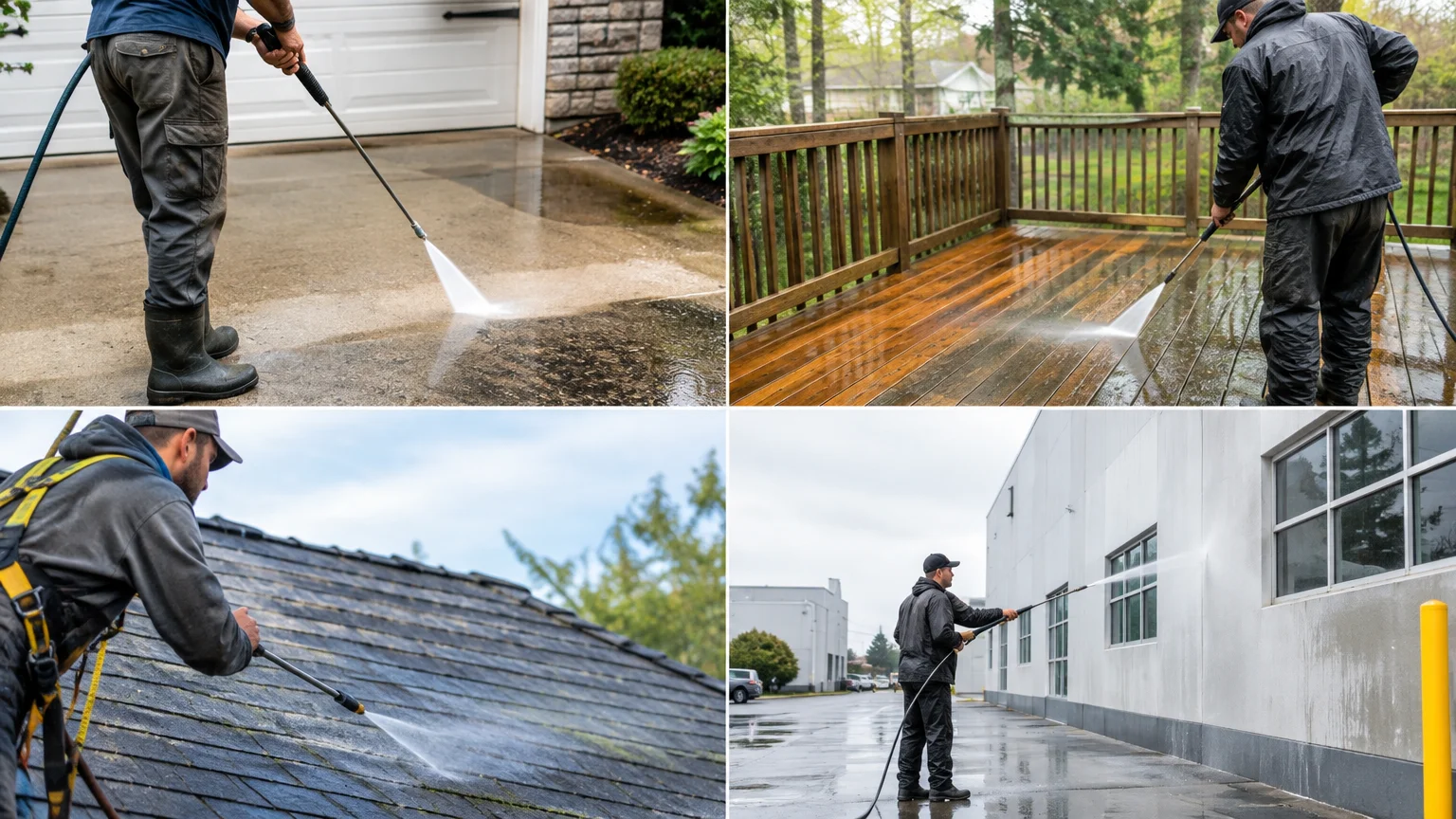
Pressure washing red flags can help homeowners avoid property damage, weak service, and hard disputes. The safest choice is a company with clear business details, proper insurance, a careful cleaning plan, a written quote, and time for questions. This guide explains what to check before hiring in Conway.
Table of Contents
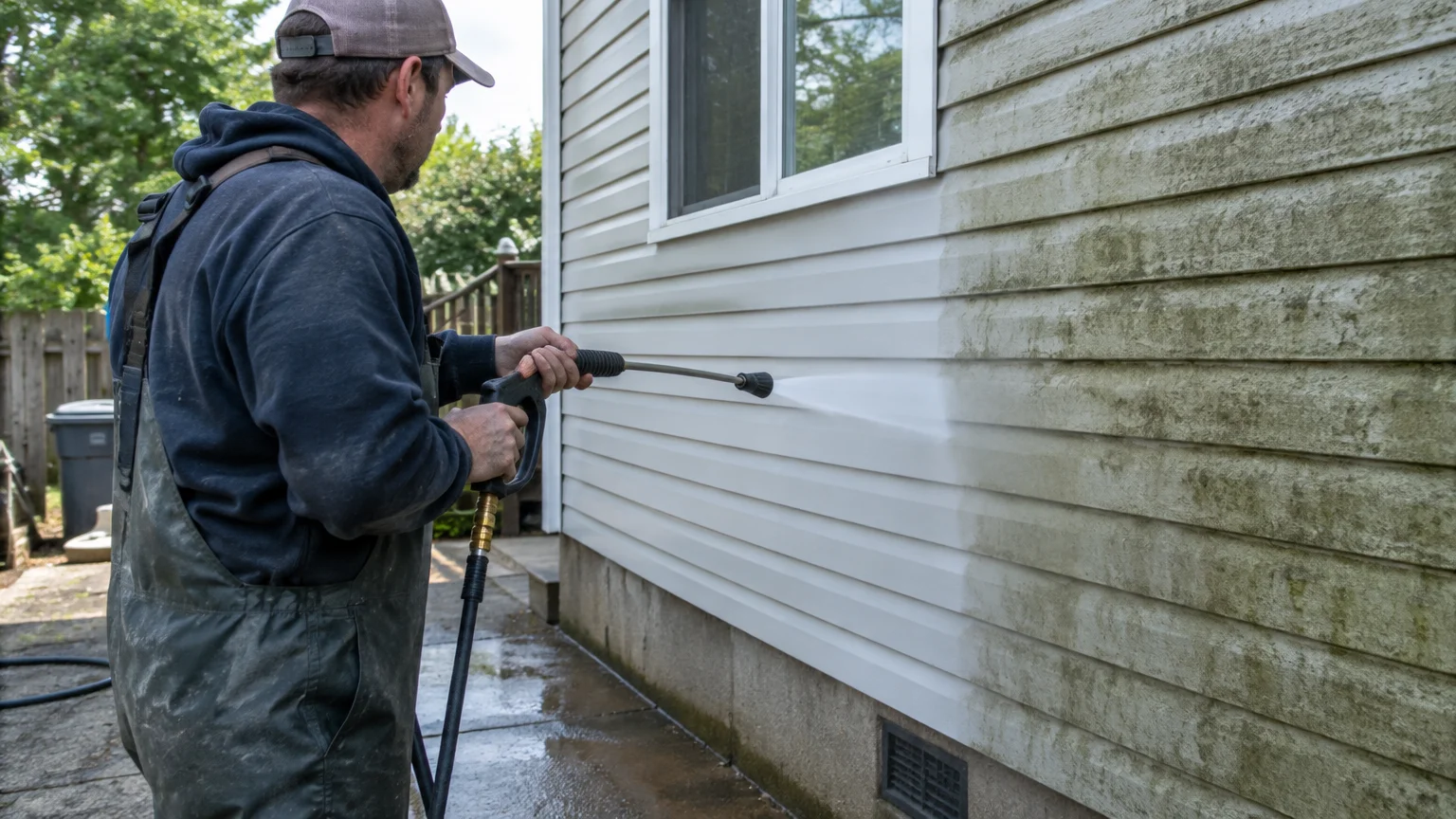
- What are the biggest pressure washing red flags?
- How can you verify a pressure washing company’s credentials?
- What should a pressure washing quote include?
- Which pressure washing methods can damage property?
- How can you spot unreliable reviews and references?
- What should you do when a pressure washing job goes wrong?
- How do you choose a pressure washing company with confidence?
- Frequently Asked Questions
- Key Takeaways
- Conclusion
What are the biggest pressure washing red flags?
The biggest pressure washing red flags include missing business details, rushed sales talk, unclear work plans, and promises that sound too broad. A trustworthy contractor should explain what will be cleaned, which method will be used, and how nearby plants, windows, paint, and outdoor items will be protected.
How vague business information can signal trouble
A company should make it easy to learn who will perform the work. Look for a clear business name, service area, website, work description, and way to contact the team. These details should match across the website, business listings, written quote, and public records.
Be careful when a provider will not explain its business identity or gives only a first name. A contractor who avoids written details may be hard to reach if a surface is damaged or the work is not finished. Pressure Washing Conway AR helps Conway property owners compare service plans by focusing on clear work details instead of broad promises.
Another warning sign is a promise that every surface can be cleaned in the same way. Concrete, wood, brick, stucco, roof shingles, and painted siding all need different care. A good contractor checks the surface before choosing water pressure, water flow, or cleaning products.
Why rushed decisions and pressure tactics deserve caution
High-pressure sales talk does not mean better cleaning. You should have time to review the work, ask questions, and compare companies. Be careful if a worker says you must decide at once, will not leave written details, or changes the work plan during a sales call.
A dependable company should welcome questions about insurance, preparation, runoff, damage claims, and cleanup. It should also explain what you need to move, unlock, cover, or protect before service. Many pressure washing red flags become clear when a provider reacts badly to normal questions.
How can you verify a pressure washing company’s credentials?
You can verify credentials by checking legal information, insurance, local rules, training, and past work. Rules vary by state and local area, so the contractor should explain which documents apply to the job in Arkansas and Conway.
Licensing, insurance, and business registration
Ask whether the company has any license or registration needed for its work. Some places require business registration, contractor licensing, or special rules for certain property services. A company should answer clearly and provide details that you can check with the proper government office when needed.
Insurance matters because pressure washing can affect siding, windows, paint, landscaping, vehicles, and walkways. Ask what type of coverage the business carries and whether it applies to the planned work. A vague claim that “everything is covered” does not explain enough.
Ask who will perform the work. A company that uses employees or subcontractors should explain who is responsible for the service and follow-up. Pressure Washing Conway AR should meet the same standard as any local pressure washing contractor: clear records, honest answers, and a plan that fits the property.
Training, experience, and property-specific knowledge
Experience matters most when it matches the surface being cleaned. A provider may know how to clean driveways but have little experience with old brick, delicate wood, roof materials, solar panels, or painted stucco. The contractor should explain how it handles each surface before work starts.
Ask for examples of similar projects. You can ask whether the company has cleaned the same type of siding, how it protects plants, and how it handles dirty water. The answers should be practical, not just claims about being the best.
A professional also knows when you do not need a pressure washer. Sweeping, light rinsing, and simple upkeep may be safe for some surfaces. Roof cleaning, high work, electrical areas, fragile materials, and strong chemicals call for trained help.
What should a pressure washing quote include?
A clear written quote should explain the work, surfaces, preparation, cleaning method, follow-up terms, and what you must do before the visit. The final cost should be confirmed on the quote. Review it before you approve the service.
The details a clear written quote should cover
The quote should name the areas to be cleaned. It should say whether the work includes a driveway, patio, pool deck, siding, fence, roof, deck, or commercial exterior. It should also explain whether stains, mildew, algae, oil marks, and heavy buildup receive special treatment.
A useful quote explains the method. Pressure washing uses pressurized water, while soft washing uses lower pressure with cleaning solutions and careful rinsing. Neither method fits every surface. The contractor should explain why the chosen method suits your property.
The written plan should cover preparation and cleanup. It may tell you to close windows, move outdoor furniture, unlock gates, or keep pets inside. It should also explain how the team will protect plants, light fixtures, outlets, doors, and nearby vehicles.
Pressure washing costs can vary with the surface size, access, buildup, materials, preparation, and work needed. Larger or harder jobs may require more time and care than simple outdoor cleaning. The final cost should be confirmed on a written quote.
Warning signs in vague, changing, or incomplete estimates
Be cautious when a quote uses broad wording such as “whole house cleaning” without naming surfaces or limits. A vague plan can lead to a dispute about what was included. Another warning sign is a quote that changes without a clear reason or adds work that was never discussed.
Ask how missed areas, weather delays, damage concerns, and return visits are handled. A good contractor will not promise that every stain will vanish. Some marks may be deep, old, or permanent, and the quote should set honest expectations.
Do not approve work based only on a spoken promise. Keep the written quote, messages, photos, and notes. These records help both sides understand the agreed plan if a dispute develops.
Which pressure washing methods can damage property?
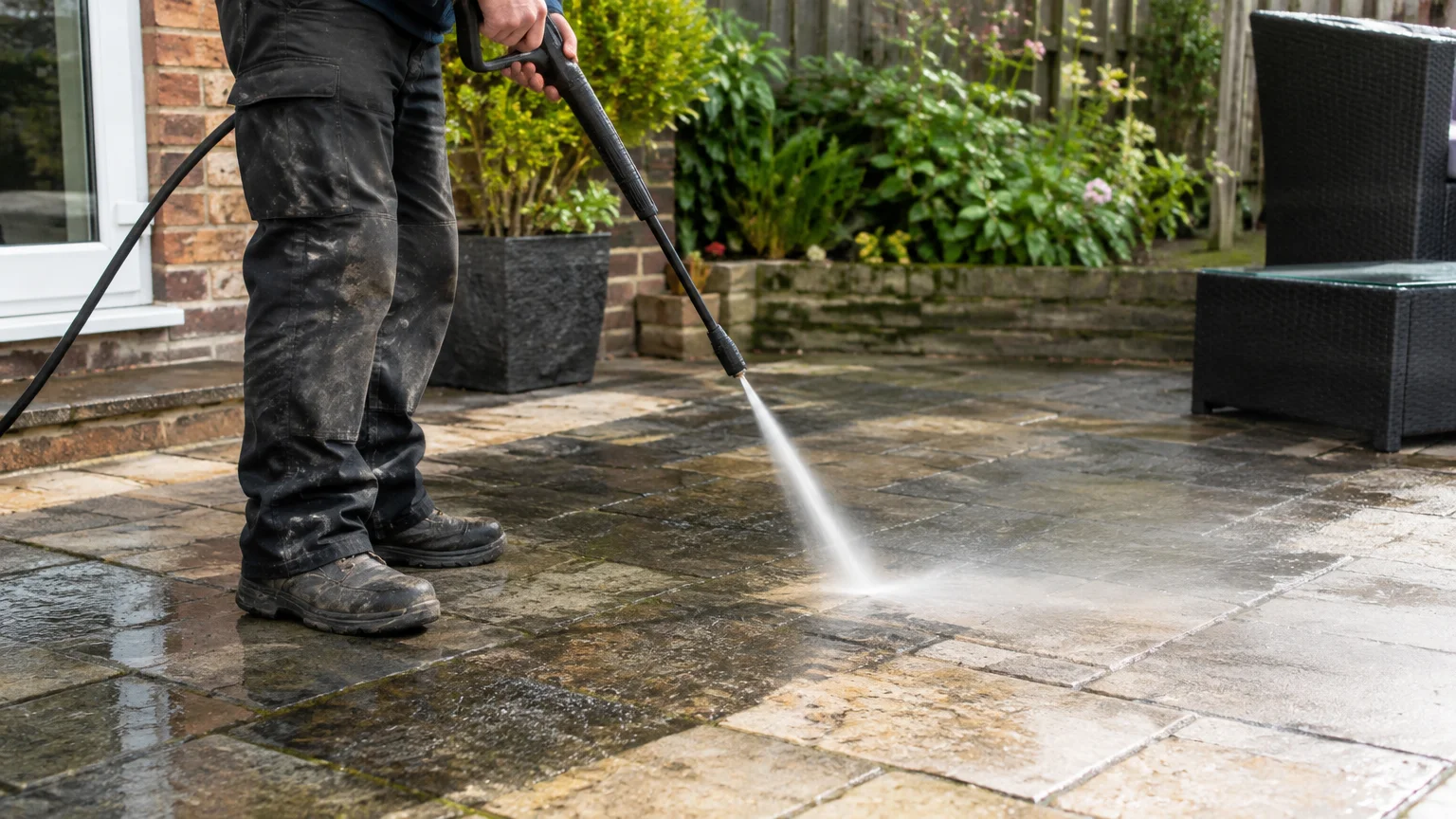
The wrong pressure, nozzle, water flow, or cleaning solution can damage property. High pressure may strip paint, cut wood fibers, loosen mortar, break seals, damage screens, or force water behind siding. The safest method depends on the material, age, condition, and location.
Why the wrong pressure or cleaning solution is risky
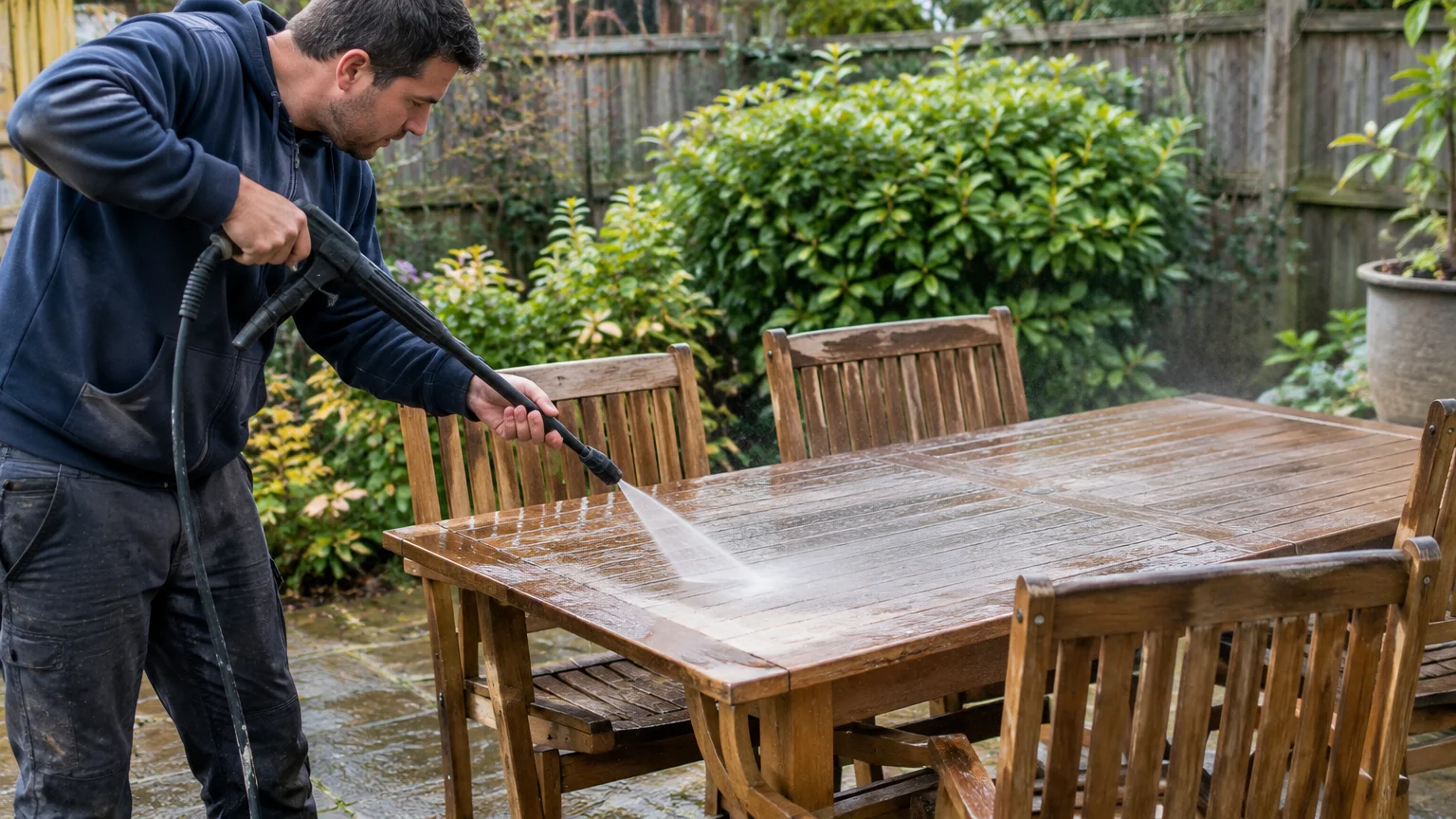
Wood decks can show marks or splinter when cleaned too hard. Brick and mortar may suffer when a narrow spray is held too close. Stucco can crack or shed its finish after poor treatment. Roof shingles may lose protective material when cleaned with harsh pressure.
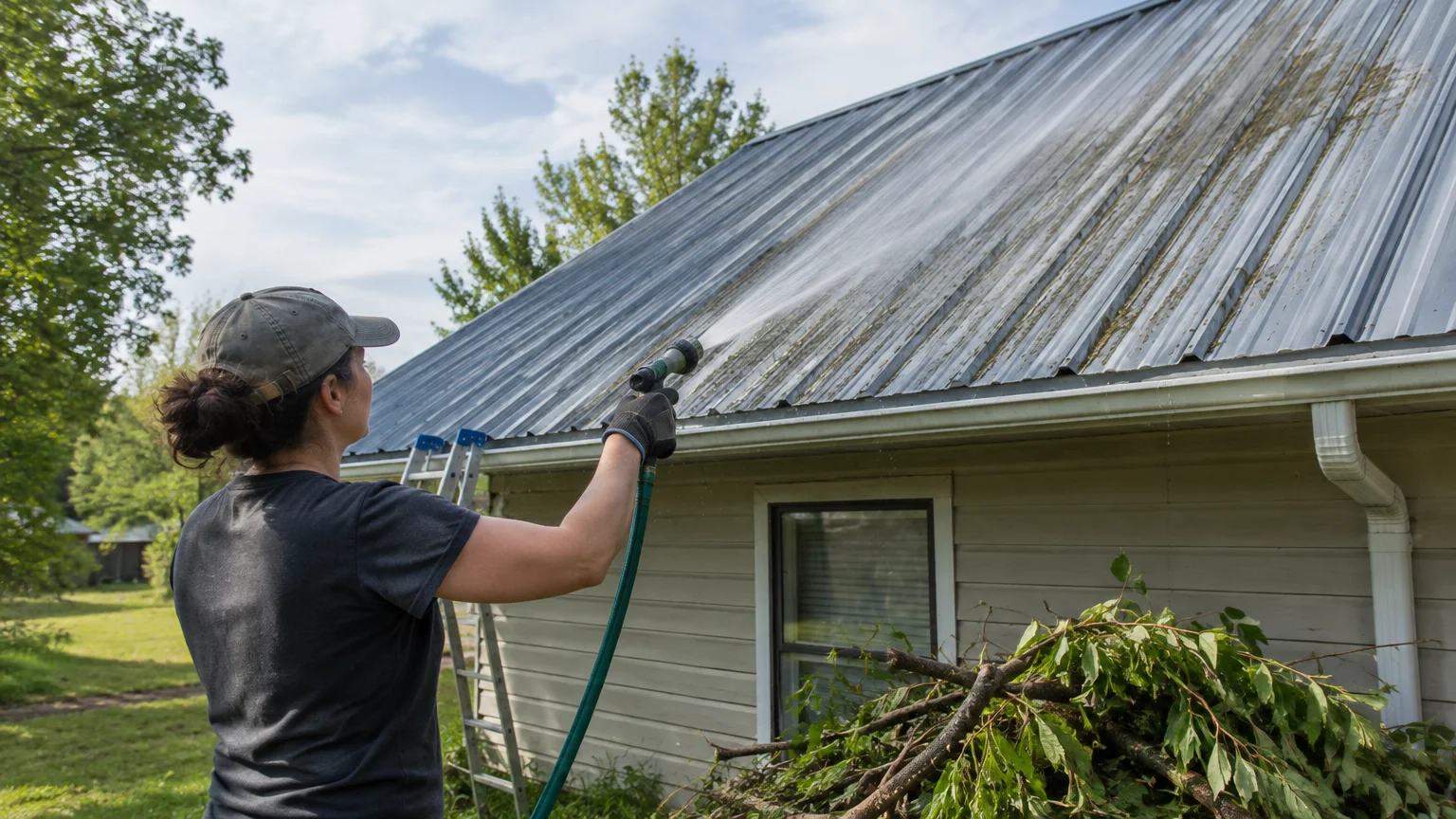
Soft washing does not mean a surface cannot be damaged. It uses lower pressure but may include cleaning solutions that need proper mixing, wait time, rinsing, and runoff control. A contractor should explain how it protects plants, pets, fish ponds, gutters, and nearby surfaces.
Solar panels also need care. If you are asking who cleans solar panels near me, look for a provider with panel-specific knowledge. The company should explain whether it cleans panels, what tools it uses, and how it avoids damage to frames, seals, wiring, and the roof.
Questions to ask about surfaces, runoff, and preparation
Ask these questions before work begins:
- Which cleaning method is planned for each surface?
- How will windows, plants, outlets, doors, and vehicles be protected?
- How will dirty water and cleaning products be controlled?
- What should I move, cover, or keep closed?
- What damage or stains may remain after cleaning?
The difference between pressure washing and soft washing should be explained in plain language. A careful contractor will inspect the property before spraying. This check can reveal loose paint, cracked mortar, weak seals, brittle materials, or other conditions that change the work plan.
How can you spot unreliable reviews and references?
You can spot unreliable reviews by checking for repeated wording, vague praise, unusual bursts of reviews, and comments that do not describe the actual service. Strong feedback usually explains what was cleaned, how the team worked, and whether the company communicated well.
What to look for when evaluating online feedback
Read reviews as a group. Do not judge a company by one perfect comment or one angry complaint. Look for patterns in punctuality, care, cleanup, surface knowledge, and response to concerns. Recent feedback may show how the business works now.
A company should respond to serious complaints in a calm and useful way. The response should not reveal private information or attack the customer. A professional reply may say that the business is reviewing the issue and will continue the talk privately.
Photos can help, but they need context. Before-and-after images may use different light, camera angles, or crop sizes. Ask whether the examples show similar surfaces and conditions. Photos alone cannot prove that the company used a safe method.
How consistent references and project examples build confidence
A contractor who can describe similar work gives you more useful information than one who makes broad claims. Ask for examples involving the same type of home, building, deck, patio, roof, or concrete surface. The goal is to learn how the company thinks about risk and preparation.
References should be handled with care. You should not demand private information, but a company may share public project details or customer feedback with permission. Consistent answers across reviews, references, and the written quote can build trust.
In Conway, property types and weather can affect buildup on outdoor surfaces. Pressure Washing Conway AR should explain how local conditions may affect cleaning without claiming that every property needs the same service.
What should you do when a pressure washing job goes wrong?
When a pressure washing job goes wrong, stay calm, document the problem, contact the company in writing, and request a clear correction plan. Photos, the quote, messages, payment records, and service dates can help show what happened.
Documenting damage, missed work, and communication
Take clear photos as soon as it is safe. Include wide shots that show the location and close shots that show marks, broken items, overspray, plant damage, or missed areas. Note when the issue was found and whether it appeared during or after service.
Keep the original quote and all messages. Write down what the contractor promised, what work was completed, and what the team said when concerns were raised. Avoid making repairs before the company can inspect the issue, unless waiting could cause more damage or create a safety risk.
If the problem affects an important building part, you may need an assessment from a qualified specialist. A roofer, window professional, painter, or masonry expert may help explain the condition. Ask for written findings when possible.
Steps for requesting correction or pursuing a dispute
Start by sending a clear message that describes the issue. Include photos and refer to the agreed work. Ask the company whether it will inspect, correct, or otherwise address the problem. Give the business a reasonable chance to respond.
If communication fails, review the contract for dispute terms. Depending on the situation, other options may include an insurer, local licensing office, consumer protection agency, or small claims court. The best path depends on the location, contract, damage, and evidence.
Do not make threats or post private information online. A factual record is more useful than an angry exchange. Pressure washing red flags matter before hiring, but careful records can also help protect you after service.
How do you choose a pressure washing company with confidence?
You can choose with confidence by comparing clear work plans, verified credentials, surface knowledge, reviews, communication, and service-day steps. The best fit is not always the company with the biggest claim. It is the company that explains the work and respects your property.
A practical comparison checklist before hiring
Before choosing a contractor, review this checklist:
- The business name and contact details are clear and consistent.
- Required licensing or registration can be checked when needed.
- Insurance information is explained in a useful way.
- The quote names surfaces, methods, preparation, and cleanup.
- The contractor answers questions without rushing the decision.
- Reviews and project examples match the planned work.
- The company explains how it handles damage or missed work.
This process works for homes, rentals, commercial buildings, and investment properties. Property owners should ask who will receive notices, approve changes, and inspect the finished work. Tenants should follow lease rules before arranging exterior cleaning.
What a professional service day should look like
A professional service day starts with a property check and review of the work plan. The crew should confirm access, protect sensitive areas, and point out conditions that may affect results. It should not begin by spraying every surface with the same pressure.
During the work, the team should manage hoses, runoff, equipment, and nearby people. Workers should use suitable safety gear and tell customers about changes. Afterward, the crew should clean the work area, remove equipment, and review the completed sections.
A final walk-through gives you a chance to ask about results and remaining stains. Pressure Washing Conway AR can help property owners decide whether a cleaning plan fits the surface, access, and condition of the property.
Frequently Asked Questions
What is the biggest warning sign when hiring a pressure washing company?
The biggest warning sign is a company that avoids clear answers about its identity, insurance, cleaning method, or written work plan. Rushed decisions and broad promises also deserve caution. A reliable contractor should explain limits, protect nearby property, and give you time to review the details.
What questions should a homeowner ask a pressure washing company?
Ask which method fits each surface, how plants and windows will be protected, what preparation is needed, and what results are realistic. It is also wise to ask about insurance, credentials, runoff control, cleanup, missed areas, damage concerns, and how changes will be approved.
What is the difference between pressure washing and soft washing?
Pressure washing uses stronger water pressure to remove buildup from suitable hard surfaces. Soft washing uses lower pressure with cleaning solutions and careful rinsing. The safer choice depends on the surface and its condition. A trained contractor should explain the method instead of using one approach everywhere.
Does soft washing damage stucco?
Soft washing does not always damage stucco, but poor technique can. The contractor should check for cracks, loose finish, weak seals, and areas where water may enter. Proper solution control, gentle use, suitable rinsing, and runoff control help lower the risk.
Can a homeowner pressure wash a deck?
A homeowner may handle light cleaning when the deck material, equipment, and conditions are suitable. The spray should not be held close or aimed at joints and edges. Older wood, painted decks, high areas, and heavy growth may need professional care to avoid damage.
Key Takeaways
- Clear business details matter: A contractor should explain who will perform the work and how you can check the business.
- The method must fit the surface: Wood, brick, stucco, roofs, concrete, and panels need different care.
- Written details prevent disputes: The quote should name the work, preparation, method, cleanup, and follow-up process.
- Reviews need context: Look for patterns, similar projects, honest replies, and clear examples.
- Good records help after problems: Save photos, quotes, messages, service dates, and written requests for correction.
Conclusion
Choosing a pressure washing company takes more than comparing quick promises. Homeowners and property managers should look for clear credentials, honest methods, detailed written plans, reliable reviews, and respectful communication. These checks can help reduce damage, missed work, and difficult disputes.
The safest contractor treats each surface as different and explains what the service can and cannot do. With careful questions and a written plan, customers in Conway can make a better choice for homes and commercial properties. This includes areas such as Downtown Conway, Hendrix Village, Greenbrier, Vilonia, Mayflower, Menifee, and nearby communities.
If you are unsure what you are dealing with, have the property reviewed before a small issue becomes a larger job. Find out more about our commercial pressure washing in Conway. Contact us today to discuss the right next step with Pressure Washing Conway AR.